
We Don't Get a Do-over
This is Life in Plastics

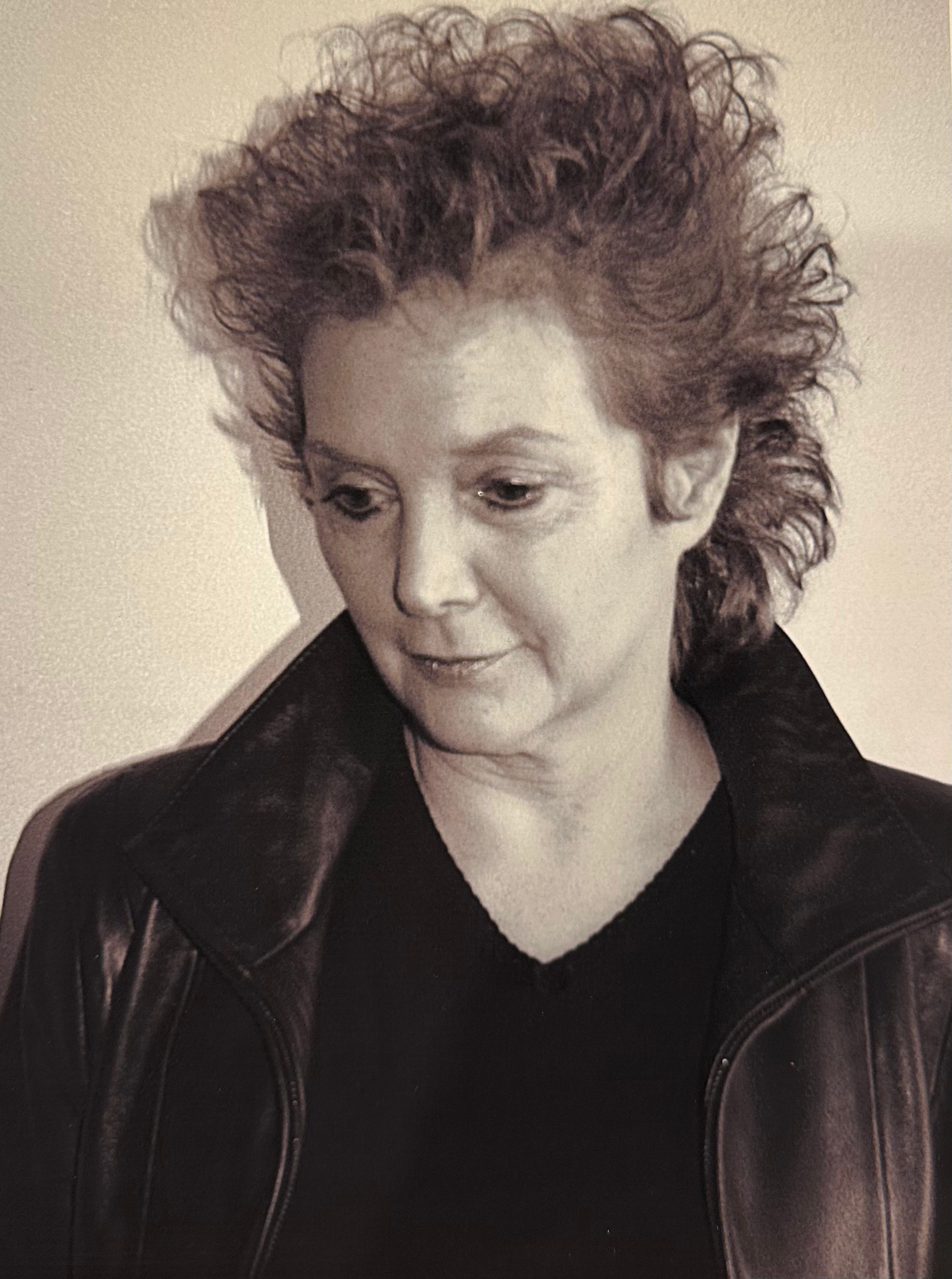
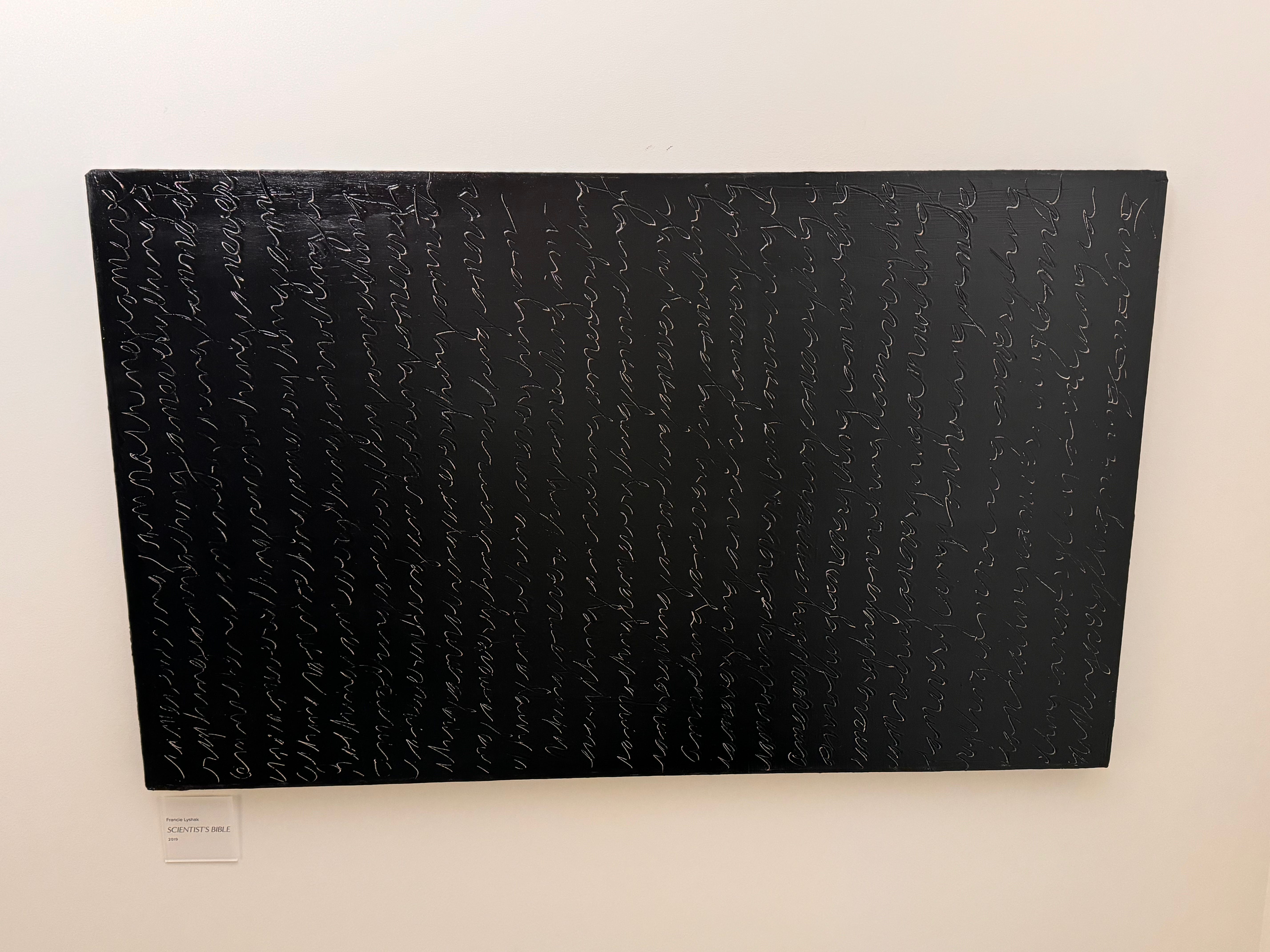
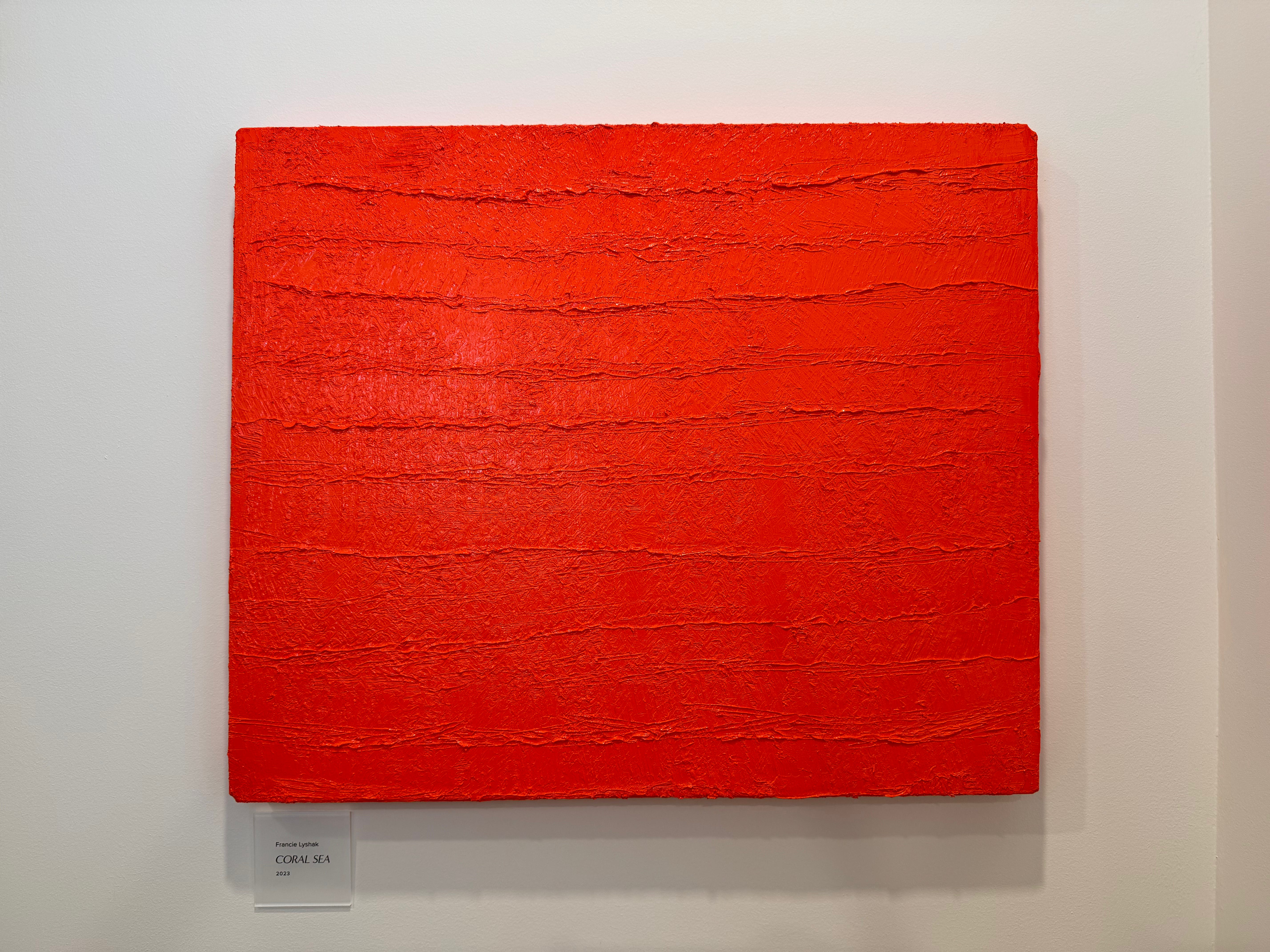
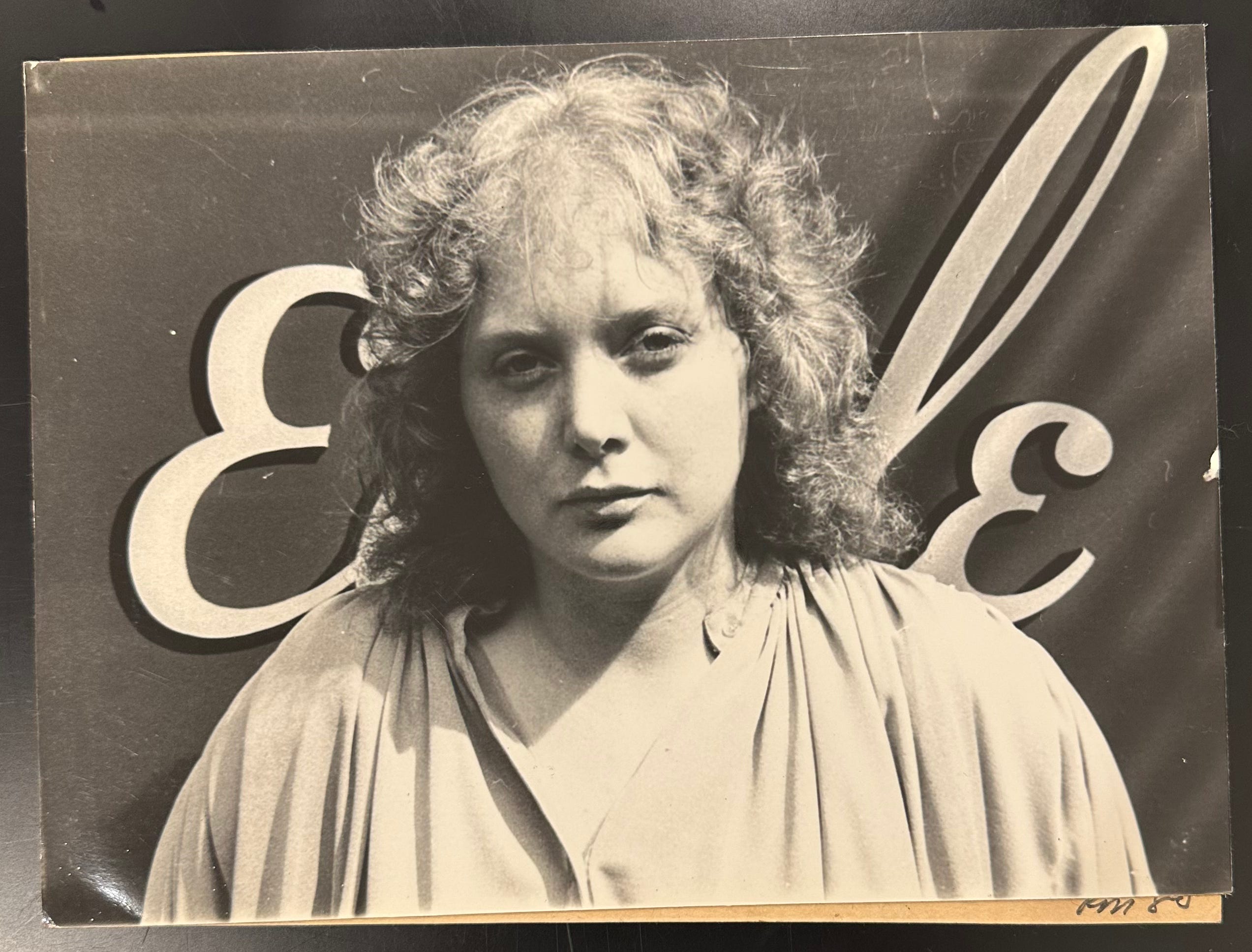
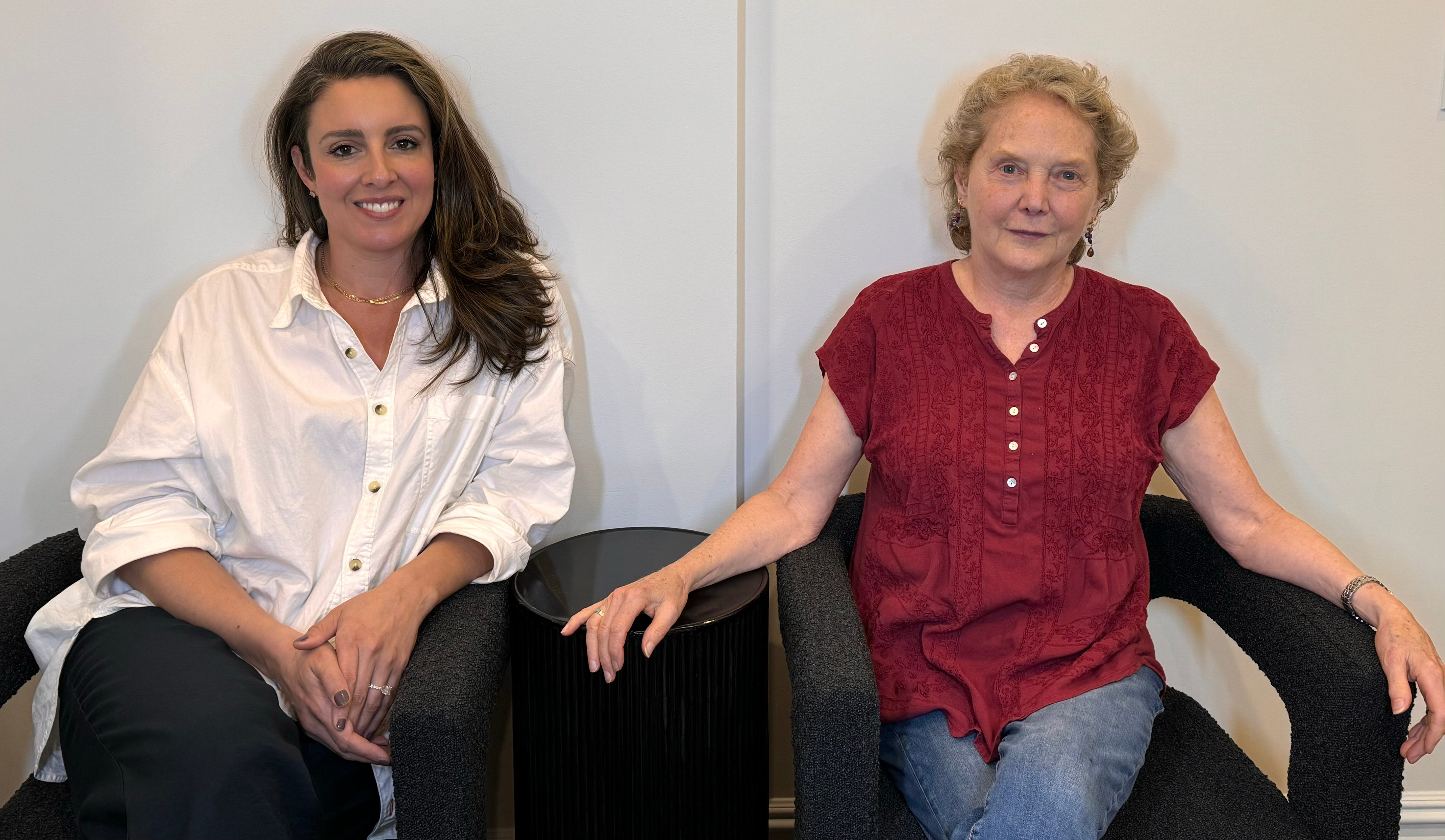
BM: We have Francie Lyshak with us, a local East Village artist, feminist, and vibrant intellectual. We have 2 amazing pieces on display in our office by Francie. One is Coral Sea, and the other is Scientists Bible. I asked Francie here today to talk about herself and her career, and to get her perspective as a New Yorker, a feminist, and an artist in her 70’s on beauty and Plastic Surgery. We’re very excited to have you today and can’t wait to see where this discussion takes us.
BM: So if you don’t mind, how old are you?
FL: 75.
BM: An amazing 75, so vibrant.
FL: Well my mother lived to be 101 so I might have gotten lucky with my genes. So far, fingers crossed.
BM: Well it feels like your career is at its peak. How does it feel in your 75th year?
FL: I never had so many shows. I have 3 group shows coming up. One is in September at Lichtundfire in the LES. Another is at the Carter Burden Gallery in Chelsea, which opens on October 10. In December I am showing a few pieces at Mad Rose Gallery in Millerton, NY. My new paintings are all about the profound, multilayered and evocative meaning of color and texture.
BM: That’s amazing. And you grew up in Detroit, correct?
FL: Yes.
BM: And when you came to New York City, how old were you?
FL: It was 1975, so I was in my late 20’s.
BM: 1975 was kind of a rough and tough time here, huh?
FL: Oh it was scary and amazing. On 4th Street, between 2nd and 1st Avenue there were guys with guns on the roofs because the dealers needed protection. They had their security on the roofs. And we had the Hells Angels. So in a way that made it safe and in a way that made it dangerous. It was all of that. But it was cheap as you could imagine. And it brought a lot of artists to the area, so there was a very exciting artist community there.
BM: Can you describe your artwork in a couple of sentences?
FL: My paintings are feminist, emotional, philosophical, psychological. My work was and is designed to challenge norms in the art world that suppress social and emotional expression.
BM: What got you started in art? Was it when you were younger, or when you got here?
FL: Actually I was inspired when I went to college and sat in an Art History class. I was an aimless hippie at the time. I remember sitting there thinking, “Well, I could do that.” I just felt that this was the right path for me. And I’ve been on it ever since.
BM: And the medium you now specialize in?
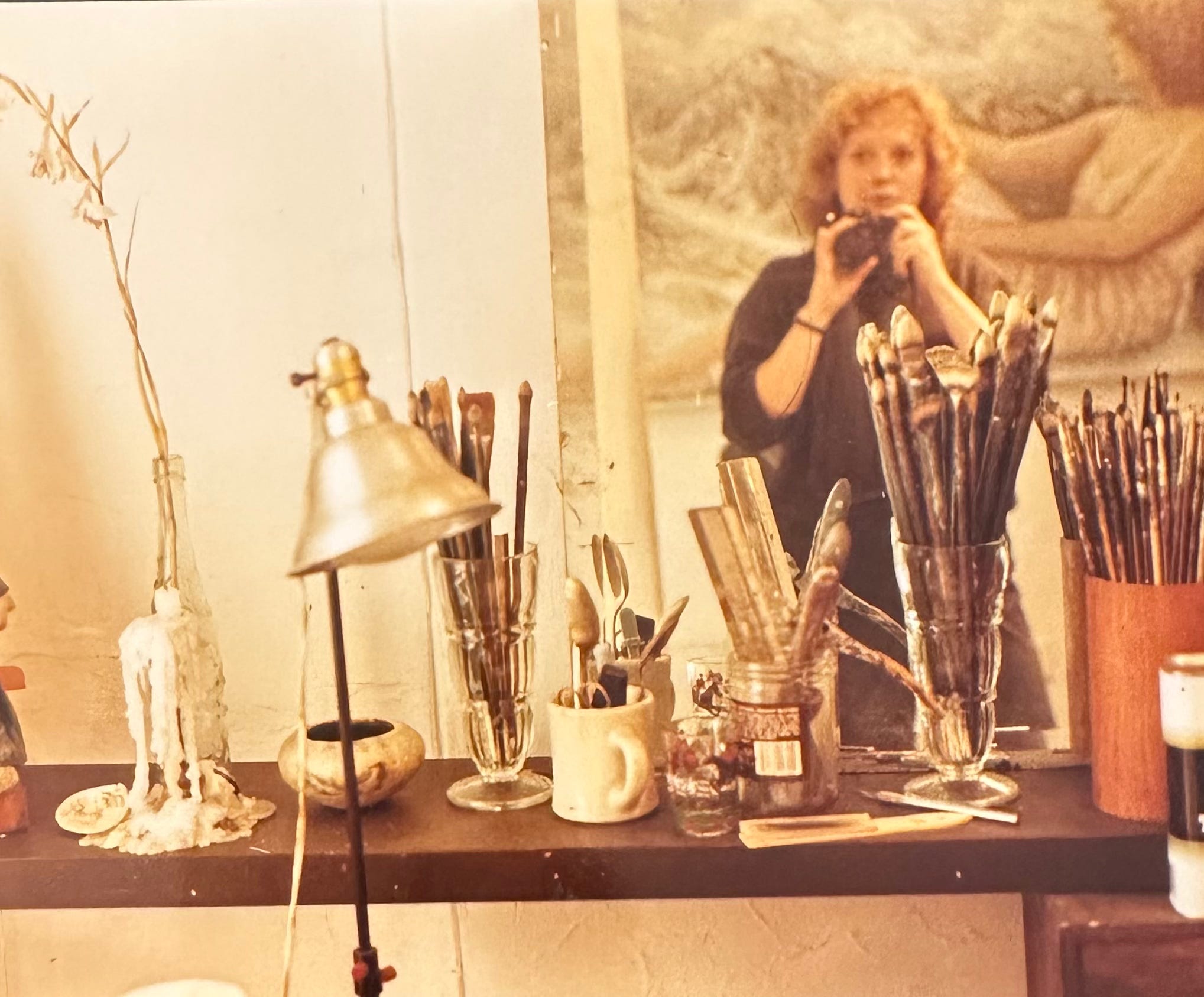
FL: Oil paints. Forever oil paints. Now, my visual language has changed dramatically. I used to do these huge paintings of beautiful women in distress often, or in joy. This was purely about self-expression. I mean my 20’s, 30’s, 40’s were very tormented times…probably they’re all tormented times. But as a painter I was trying to openly display the emotional side of living as a woman, and this was a time when minimalism was popular. Visual arts were cold. Everything was cool, you never showed emotions, you never revealed anything about yourself.
BM: Do you mean on an individual level, or the art scene at the time?
FL: I’m talking about the art scene. It was all about abstraction, which I ended up doing myself in my later period. And it was minimal, but at the time I hated that. The minimal work I was exposed to back in the day was very reserved, intellectual, tightly organized. Now, I’m a minimalist and I’ve gotten over my rebellious figurative stage. I want my minimal work to be messy, and a little bit chaotic, a little bit undone. I want it to be raw, but still utterly simple. In a way, I paint for myself. I yearn for simplicity. We live in a world that is way too overstimulating.
For example, the feminist in me is saying that I can inscribe the words, “I am everything, I am nothing,” into my black painting [points to Scientists Bible on the opposite wall from where we are sitting]. I can still be raw, and expressive, and undone, and beautiful, and simple, and have a quiet message. So I’m adding an emotional component to that early style of minimalism. And that is what makes my work different and yet still retains the beautiful quietude of the genre.
Well, we were talking about the East Village in the 1970’s, I just want to say something quickly, it was mostly a gay community…men…and they were my people. I was very happy to be in that community where I was just treated as a person and not as a sexual object. And here I am, in the middle of what was the beginning of the gay revolution, in the East Village…theater, visual arts, literature…it was an exciting, incredible time.
BM: Is there anything else you want to tell us about your career?
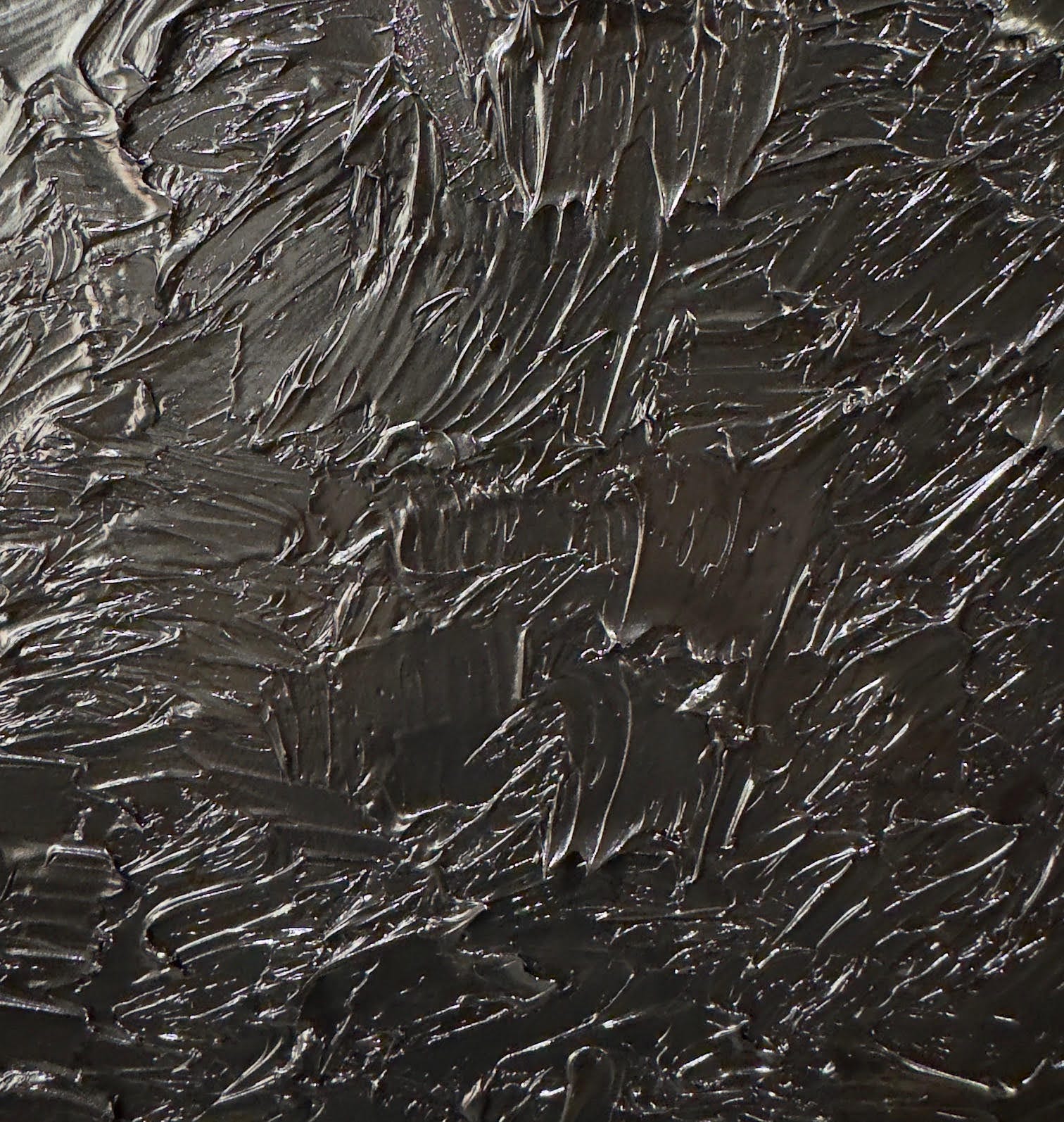
FL: I’ll talk about my most recent painting. And we do want to talk about beauty! But, I would just say one more thing about my painting, it’s kind of an example. Of course, I always fall in love with my newest paintings, always. Otherwise what’s the point? It’s kind of a love affair and sometimes it’s like a battle, and you want to destroy, and maybe it’s like a romance that sometimes goes badly. My husband has these very challenging health problems. And my last painting is 36” x 36” and it’s black. And partly how I decide to start a painting is I decide what color. Colors are loaded with emotions. People might have different associations, but the only thing I could do was black. And so I did this painting that was black, just loaded it with black paint…thick, chaotic, messy voids of black. And it just took me right out of my darkest fears. I mean when you think of black, you think of death and the void, and terrible stuff. But then the thing is, with the painting the texture is very strong, and so it shines. It’s like a starlit night. It’s glittery, and it’s beautiful. The alchemists, they turned lead into gold…I felt like I turned the deepest, darkest, despairing depression into a shiny, shining, starlit night. So you can see, I’m having a love affair with my last painting.
BM: What is the name of that painting?
FL: Black Storm.
BM: Well I love black personally. And I don’t think I love death and depression, but I still love black.
FL: Well look at your office, it’s very black and white.
BM: It was intended to be more white, but black took over.
FL: It’s a gorgeous color.
BM: So let’s change gears a bit. How do you feel about Plastic Surgery?
FL: I feel it can be a tremendous quality of life improving event, or it can be both self-mutilating and self-destructive.
BM: Can you describe how it felt being young and beautiful?
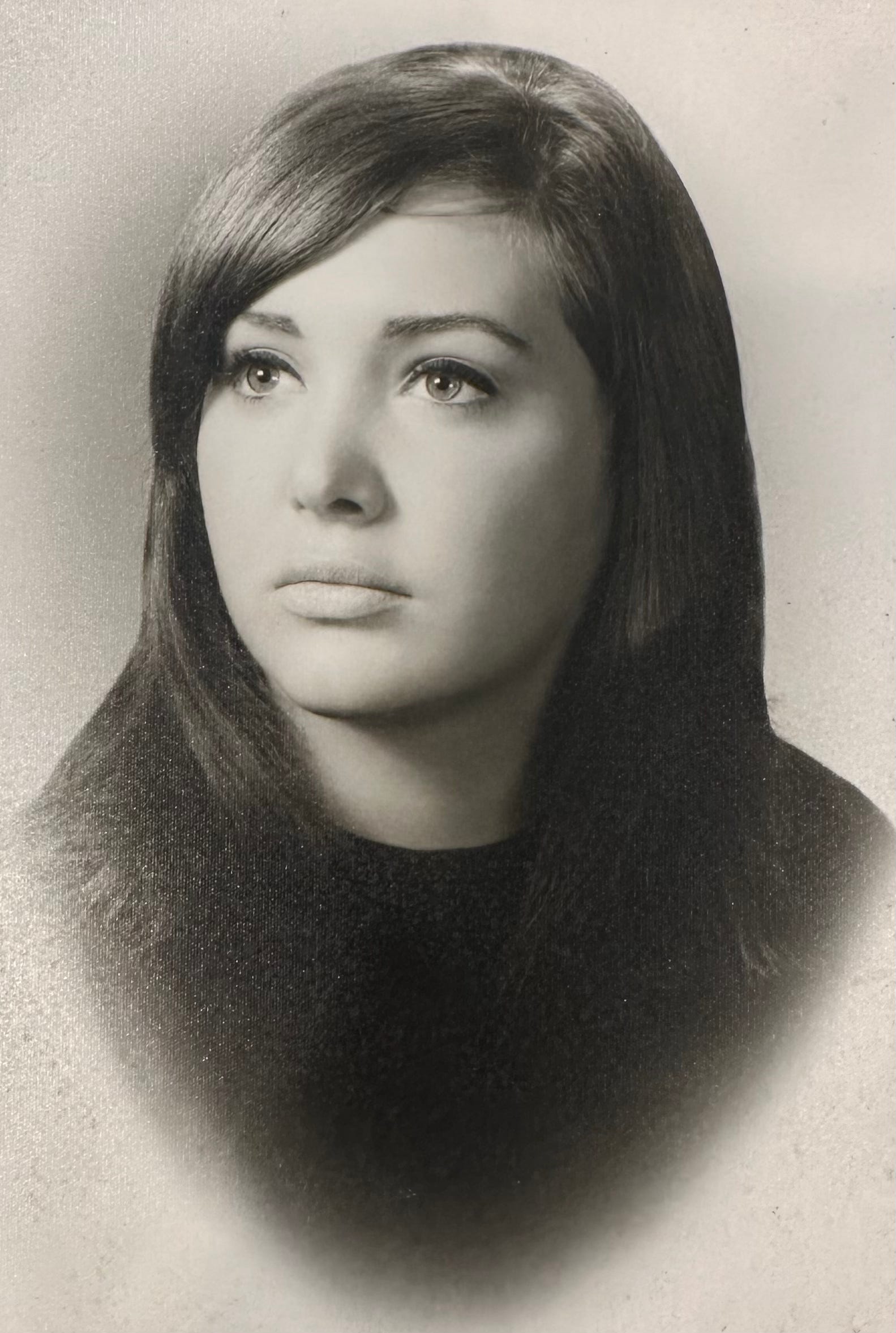
FL: I never felt I was beautiful.
BM: Is there a physical feature of yours that you would consider changing now at this age?
FL: None
BM: Where does beauty, youth, and vanity stand in your values today?
FL: Well let me give you an overall picture. When I was a young teenager, maybe 12 or 13…you know how vulnerable girls are at that age? How you look is everything. I was born with an unfortunate nose, my grandmother’s hook nose, so my father arranged for me to get Plastic Surgery. And after that I felt like I had a chance, I had a prayer that I would be ok.
BM: How old were you?
FL: I must have been 12 or 13.
BM: So young.
FL: Yes, but I thought before that I was finished. So in that case, the repair, you know I don’t really know how to put language to it…that transformation really rescued me from a very dark attitude about myself.
Later in life I was an art therapist and so I think a lot about developmental issues. So then of course we move into the mating stages and women, I don’t know why, but we are the fancy-colored birds with the fine feathers that have to dance for the males. I had to wear eye makeup because I had blonde eyelashes, which is like death. It made me feel like a freak. And I had to be a certain weight or I hated myself, and that went on for 40 years. So beauty was everything. Well not everything, but it was a high, high priority, because we are all animals. And so here we are trying to mate, and one of the powers that women in my generation had (and we didn’t have many), but one of them was beauty. So I did what I could with that, but I also had an ambivalent feeling about being pretty. When I walked down the street in the 70’s by a construction site, and all the men are going, “Ohhh nice tits…come to me baby,” I felt terrified, horrible. I was treated like I was a piece of meat. Yet, I wanted a boyfriend, I wanted to be loved. So I always had this ambivalent feeling about being pretty, and beautiful and attractive.
Now as an older woman, I feel that…well let’s put it this way…I have dry eye disease, and when the eye doctor told me I couldn’t wear makeup anymore because it was going to aggravate my dry eye disease I was horrified, because I was very dependent on mascara my whole life. But I stopped because I was trapped in a corner. And then, there I was, faced with my real face. And of course I struggled with the idea of having fillers put in, and I remember getting my first wrinkle in my forehead…it’s been an ongoing crisis for me for 20 years! What am I gonna do?? I’m getting old, I’m getting old…but what I’ve come to is that when I look in the mirror in the morning I need to be reminded that I’m getting old. It’s better for me at my age to not disguise that from myself because I am getting old. It’s reality. I’m going to die. Time is running out. The clock is ticking, however you want to put it. And I feel pretty good physically. I feel strong, powerful, but I need to know that time is running out, otherwise I’m not going to live in the awareness of the preciousness of the moment. This is it. This moment that we are having together is going away and it’s gone forever and we don’t get a do-over. So that’s how I feel about beauty in the elder years. Because it isn’t beautiful. We are looked at and nobody says when I walk by the construction site [what they said before]…I am invisible. That power is gone, but so is the burden.
BM: Let me turn that back a little bit, do you think that there’s room for someone in their 60’s, 70’s, 80’s to genuinely want to feel beautiful and to look good, and that it can be for them and serve a purpose to the individual? Does the purpose of beauty change and evolve? You know maybe the purpose of beauty was mating as you said, in your 20’s, 30’s, 40’s, but maybe there’s room for that in a different capacity?
FL: The short answer is yes. First of all, I can only speak for my own journey. When I came here today, I didn’t wear my shorts and black T-shirt because I wanted to look good. I put on some earrings, because I wanted to look good. And when I looked in the mirror I thought, “Yeah! I look pretty good!” (laughing) and that made me feel good. And I don’t know if being born with a hook nose was actually going to ruin my life, but after the surgery I felt like I could be alright. So if someone in their 80’s wants to get something done so they can feel alright, bless em! Bless em! Go for it. It all has to do with your relationship with yourself. If you are doing good by yourself then do it. If that’s what works in your community, do it. But if you are doing something that has to do with shame, or fear of aging, then you’re better off going to therapy. I mean I go to therapy once a week to address these issues.
BM: We all go to therapy, multiple therapies here! (laughing) So part of my job, and part of the way we’re trained, is to make sure that we have a patient who is pursuing surgery for the right reason. That it’s not, say, because their boyfriend pressured them. You know I had a young girl come once, and she booked surgery for a breast augmentation, and she came for the preoperative visit and she just burst into tears. And it was because her boyfriend was pressuring her. And I said, we’re not going to do this. So, you’re spot on, that the goal of this, and what I want to do personally with the practice, is to help the woman, or women, to use whatever tools they can to feel empowered. I think it’s the feeling that you kind of just touched on. Everyone feels better when they look their best, and that translates to other areas of life. But that being said, Plastic Surgery is not going to fix your life because you know, we fixed your eyelids.
FL: I think it’s great you’re talking about empowerment, because we still live in a sexist society. And men are still privileged. You know I never felt like I was beautiful, except now and then. But I think women who are really beautiful, who know they’re beautiful and they start aging, that must be terrifying for them. And if they want to come in and look young again, go for it. Because we do what we can to get through the struggles we have.
BM: I feel like the 70’s, 80’s, 90’s, was a different time for women. I mean they didn’t even have sports in school, you could get fired from your job for being pregnant. I mean the things my mother went through with her career, it’s mind-blowing to me. So then fast forward to the 2000’s where I think that women have been fighting the good fight, I feel like there’s this reappropriation of beauty and external display, and looking good, that it’s not to please the man, but that it is a display of power. This is why we see such outward displays of butts and boobs and skin, and that it’s really about a reclaiming. And that is what we’re here for, too.
FL: You know I’m on a mission with the arts. More than anything the arts are a comfort to people in distress. Sounds to me like you’re on a mission with beauty, you said, to empower women, and that’s what makes this all worth doing.
BM: I think the higher purpose is what fuels you into old age being vibrant and lively, and purpose is so important. And I want to clarify that I don’t think that getting Plastic Surgery and becoming beautiful is a real purpose. That’s not technically a real purpose. I think that if you can use it as a tool in your toolbox, to fulfill your other higher purpose, then go for it.
FL: You know I often wonder, if I do get the big top gallery am I going to want to rethink Plastic Surgery if they’re shipping me to France and China to meet with the big collectors…then will I think, well maybe I need to do something so I can empower myself?
BM: You know it’s funny, I don’t know where this falls on the spectrum, are we doing this to look good to garner more respect in the business setting? Are we doing it so that we feel confident and we can execute in whatever setting and enter with confidence? Maybe it’s both, a mix of both. And that being said, guys are doing the same thing. They are generally held to some kind of standard to look good. They get stuff done all the time. They don’t want to get old either!
FL: They have to wear the right suit, have the right haircut, have the right look to their arms, if they’re not born tall they have to compensate. You know life is a collaboration between our inner lives and our reality. I think the problem is to think in dichotomies, it’s not either-or, it’s all of the above.
I would add one last topic, that would be about the artist in all of us. I make beauty and expressions with paint. You make beauty with Plastic Surgery. I often see people on the street who make beauty with their bodies – with tattoos, fashion, make-up and hair-dos. I love that about New York City. It makes this the exciting and interesting city that it is. I see those people as creatives and as fellow artists, who are compulsively driven to creative expression. They use their bodies as works of art or they turn to people like you to help them make their bodies works of art. This is a commitment to visual art and a crazy compulsion that I share with the entire community of artists and art workers. When I can view people through that lens, then I celebrate it all. The arts are a balm to the trials of living. Long live the arts!
BM
This was a great read!